
The Skinny On The Shot

I've been prescribing GLP-1 medications in my practice for years now, and I've sat across from hundreds of patients on this journey. Some of the results have genuinely moved me. Others have humbled me. What I can tell you, after watching real bodies respond in real time, is that the story most people are hearing about these drugs is not the full story. Today I want to give you the version I wish every patient walked in already knowing.
A Cultural Moment, Not Just a Medication
GLP-1s didn't just become popular. They became a cultural moment. And that worries me a little, because when something becomes a moment, the truth gets lost. People are making decisions based on TikTok videos and celebrity before-and-afters instead of actual medicine.
As of late 2025, 12.4% of American adults reported using a GLP-1 like Ozempic, Wegovy, Mounjaro, or Zepbound. That's more than double the rate from just 18 months earlier. These medications now account for more than 7% of all prescriptions filled in the United States. That's not a trend. That's a tidal wave.
Here's the truth I've learned after years of practicing obesity medicine: our bodies are not all the same. Your body did not read the manual on how GLP-1s are supposed to work. None of our bodies did. That's why you need more than a celebrity testimonial to make this decision. You need real clinical experience.
So What Actually Is a GLP-1?
GLP-1 stands for glucagon-like peptide-1. It's a hormone your body already makes, released by your gut after you eat. It tells your pancreas to release insulin, slows down how fast your stomach empties, and signals your brain that you're full. The medications, semaglutide (Ozempic, Wegovy) and tirzepatide (Mounjaro, Zepbound), are synthetic versions that bind to that same receptor and amplify those signals.
When you take a GLP-1, you're essentially telling your brain and your gut to behave differently around food. Hunger signals change. Fullness signals change. The foods you were obsessing over lose their grip on you. For many of my patients, it feels like magic when they're living it.
The drug can change your body. It can't do the deeper work for you.
Proceed With Caution
GLP-1s work. I prescribe them and I believe in them. But there are things the commercials don't tell you, and you deserve to know them before you start.
The side effects are real.
Nausea, vomiting, diarrhea, constipation, and reflux are common, especially as the dose goes up. Most patients can manage these, but some can't. Rarer but more serious risks include pancreatitis, gallbladder disease, and a possible increased risk of certain thyroid tumors. This is a powerful metabolic medication, not a vitamin.
Weight comes back when the drug stops for most people.
This is the part nobody wants to hear. In the SURMOUNT-4 trial, patients who stopped tirzepatide regained roughly 14% of their body weight within a year. In follow-up data on semaglutide, participants regained about two-thirds of the weight they had lost within 12 months of stopping. These are not "lose the weight and you're done" drugs. For many people, they are long-term therapies, more like blood pressure medication than a 30-day cleanse.
Compounded versions are not all created equal.
The shortages opened the door to compounded semaglutide and tirzepatide from sources of wildly varying quality. If you don't know exactly where your medication is coming from, who is dosing it, and who is monitoring you, you are taking a risk you don't need to take.
This is not just a weight loss decision. It's a metabolic decision.
Your thyroid history, your gallbladder, your gut, your mental health, your medications, and your hormones all matter. A ten-minute telehealth visit and a credit card is not the same as a real evaluation.
The Question Nobody Asks Themselves
I had a patient who lost a significant amount of weight on a GLP-1 and felt incredible. She told me she finally understood what other people felt like around food. Then something shifted. She started asking me, "Doc, what happens if I stop? Who am I without this drug?"
That question is the one nobody asks themselves before they start, and it's the one that keeps me up at night as a physician. The drug can change your body. It can't do the deeper work for you. If you don't know that going in, you will be blindsided coming out.
What Doing It Right Looks Like
If you're going to use one of these medications, do it the right way. That means a real evaluation, including history, labs, and a hard look at your nutrition and lifestyle. It means a real medical team, someone who picks up the phone when the nausea hits and who knows when to adjust your dose. It means a nutrition strategy built around adequate protein, not starvation. It means resistance training as a non-negotiable. And it means an exit plan, because you need to know what month 12 and month 24 look like before you ever start.
That's what we do at SomaVie. Not a prescription pad. A plan.
The Bottom Line
GLP-1s are not a trend, and they are not a miracle. They're a powerful class of medication that, used correctly, can be transformative, and used carelessly, can leave you worse off than when you started.
You deserve more than a prescription. You deserve a plan. And you deserve to be safe, because no medication is without risk. That's exactly why having a medical team behind you matters.
Sources
- NPR · Shots Health News Reporting on Gallup polling data showing 12.4% of U.S. adults using a GLP-1 medication as of late 2025. Read Source →
- Truveta Research GLP-1 receptor agonist prescription trends through December 2025, including share of total U.S. prescriptions filled. Read Source →
- NCBI Bookshelf · StatPearls Reference on the physiology of glucagon-like peptide-1 and the mechanism of action of GLP-1 receptor agonists. Read Source →
- PubMed Central SURMOUNT-4 trial data on weight regain following discontinuation of tirzepatide. Read Source →
- AARP Health Reporting on semaglutide discontinuation studies and the approximate two-thirds weight regain figure within 12 months. Read Source →
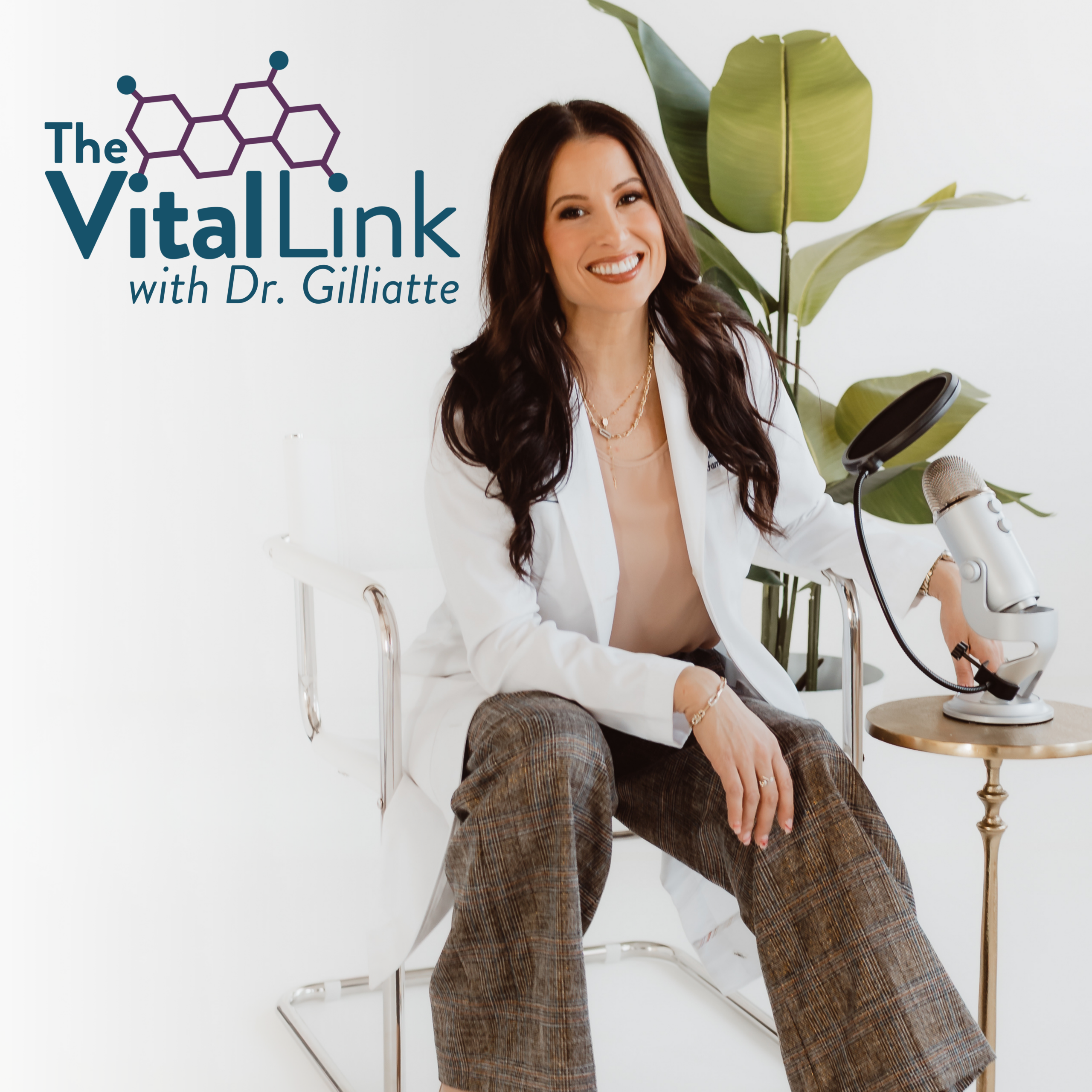
Series Introduction: The Skinny On The Shot
In the first episode of a multi-part series, Dr. Gilliatte sets the stage on GLP-1 medications — what they are, why they've exploded onto the scene, and what every patient deserves to understand before they start one.
Book Your Consultation
Talk to a physician — not the internet, about whether a GLP-1 is right for you. We'll evaluate, monitor, and walk the whole journey with you.
Book ConsultationBetter Bodies Fitness
If you're on a GLP-1 or thinking about starting one, movement is critical. With over 30 years of personal training experience and a physical therapy background, the team at Better Bodies isn't just trainers. They're guides.
Tell them Dr. Gilliatte sent you →